
Services
- Home
- /
- Technique de recherche de spermatozoides TESE PESA MESA
Our Services
Contact Us
+90 541 132 22 19
info@oumniafertility.com
Balat, Hızır Çavuş Mescidi Sk. 40/A, 34087 Fatih/İstanbul, Turquie

Sperm Retrieval Techniques – TESE, PESA, MESA:
In cases where no sperm are present in the ejaculate, or if the quality or viability of the sperm is very low, sperm can be retrieved surgically from the vas deferens, epididymis, or testes. These procedures are performed under local or general anesthesia so that the patient experiences no pain or discomfort. The patient can go home the same day, with no need for hospitalization.
In cases where sperm is produced in the testes, known as obstructive azoospermia, but does not appear in the ejaculate due to a blockage in the ducts, PESA (Percutaneous Epididymal Sperm Aspiration) or TESA (Testicular Sperm Aspiration) is performed to retrieve sperm using a needle from the epididymis or testis.
In cases where sperm cannot be found in the ejaculate due to a sperm production problem in the testes, called non-obstructive azoospermia, sperm can be retrieved through TESE (Testicular Sperm Extraction by performing testicular biopsies) or micro-TESE (examining areas in the testes where sperm production may occur under a microscope). The probability of finding sperm with these procedures is about 50%. The first pregnancy using sperm retrieved by TESE was achieved in 1995.
There may be slight pain and tenderness after these procedures, but it usually subsides within 24 to 48 hours.

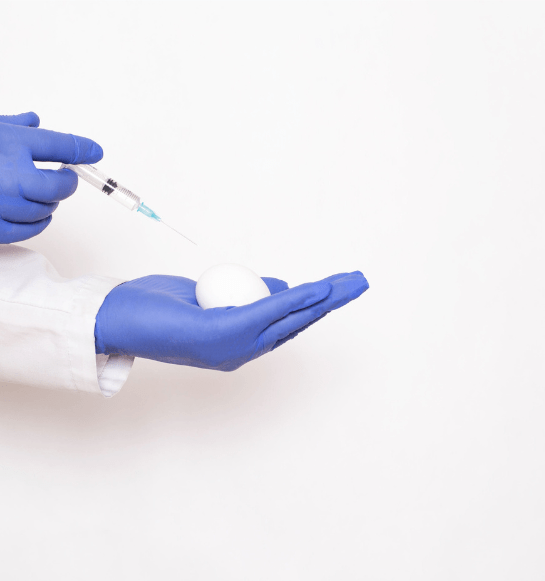
Surgically retrieved sperm are injected into the mature egg using the ICSI technique. Any excess sperm or testicular tissue obtained can be preserved through freezing, eliminating the need for repeated surgical procedures. If sperm cannot be found, the egg retrieval process is canceled. When sperm cannot be retrieved even with micro-TESE, the most advanced technique available today, no further action can be taken.
The treatment duration generally ranges from 21 to 23 days, although it may vary depending on each couple’s individual needs. For patients undergoing classic IVF, ICSI, or IMSI, the process typically lasts about three weeks (with fresh embryo transfer).
Several examinations are required. We ask that you send us your thyroid panel results, hormonal profile including AMH, FSH, prolactin, and LH levels, as well as your hysterosalpingography, which helps assess the uterine cavity and detect any potential issues.This stage is reviewed individually and explained by your coordinator. The doctor may also request additional blood tests and your antral follicle count, if necessary.For men, a sperm analysis (spermogram) is required, and further tests may be requested depending on those results to complete your file.
For a remote consultation, you can reach us via WhatsApp or Viber at: 📞 +90 541 132 22 19 You can also contact us by email at: 📧 info@oumniafertility.com