
Services
- Home
- /
- Embryo Cryopreservation
Our Services
Contact Us
+90 541 132 22 19
info@oumniafertility.com
Balat, Hızır Çavuş Mescidi Sk. 40/A, 34087 Fatih/İstanbul, Turquie
Embryo Freezing and Thawing
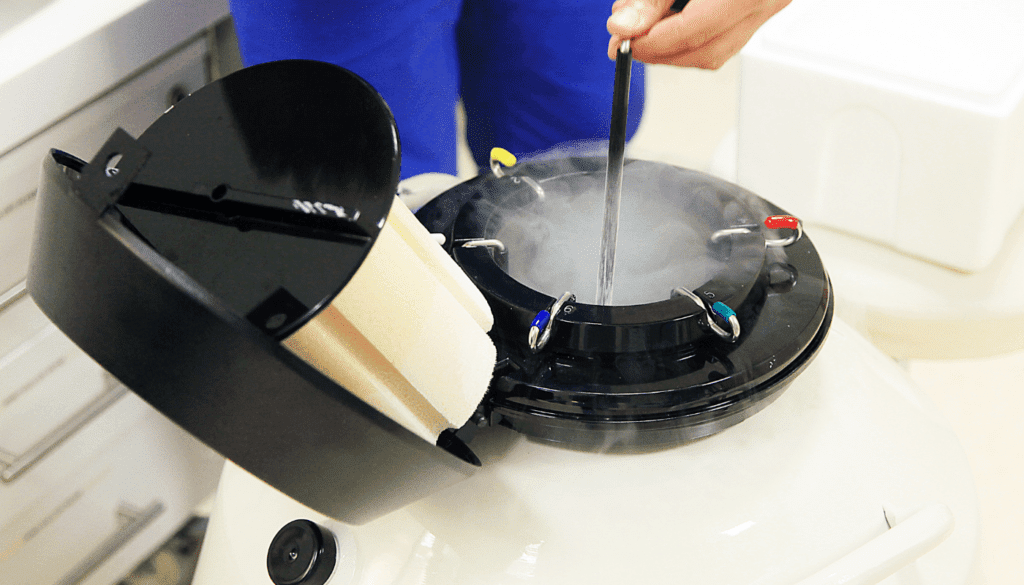
Embryo freezing offers many advantages for couples undergoing in vitro fertilization (IVF) treatment. After the embryo transfer, the remaining embryos are monitored by embryologists, and if suitable for freezing, they are cryopreserved in liquid nitrogen at -196°C with the couple’s written consent. When the frozen embryos need to be thawed, they are removed from the liquid nitrogen, thawed at room temperature, separated from the protective medium, placed in a special culture environment, and put into an incubator (devices where embryos are maintained). On the same day, embryos that appear healthy are transferred to the prospective mother.
Frozen embryos are used if no pregnancy occurs after the in vitro fertilization (IVF) treatment, if a pregnancy is achieved but ends in miscarriage, or if the couple wishes to have a second child following a previous birth. In such cases, the couple’s frozen embryos are thawed and transferred directly. This approach avoids long-term hormonal medication for the woman, provides a cost-effective and convenient option, and can offer a better environment for the embryo in certain situations (such as endometritis, infection, or inflammation), as all the steps of a full IVF cycle are bypassed.
Although they can technically be stored for much longer periods, the embryo freezing duration in Turkey is set at 5 years in accordance with the regulations of the Ministry of Health, Supreme Council of Assisted Reproductive Technologies.

How are thawed embryos transferred?
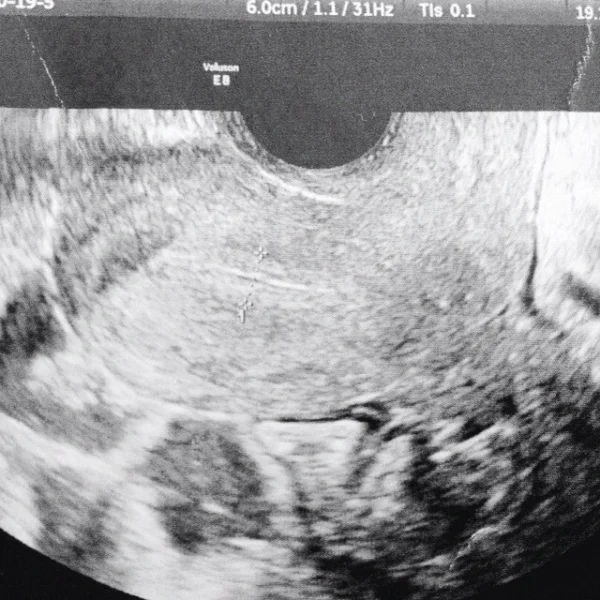
First, the endometrium must be prepared to receive the embryo. We carry out this preparation in some patients using medications containing estrogen and wait for the endometrium to thicken, forming three layers. The transfer is usually scheduled 3 to 5 days after ovulation (depending on the embryo’s age). The uterine lining is monitored throughout the process. Once the embryos are transferred, we begin a progesterone-based support treatment.
On average, around the 16th–18th day of the menstrual cycle, if the endometrium and hormonal status are suitable, we thaw the embryos and carry out the transfer process.
The treatment duration generally ranges from 21 to 23 days, although it may vary depending on each couple’s individual needs. For patients undergoing classic IVF, ICSI, or IMSI, the process typically lasts about three weeks (with fresh embryo transfer).
Several examinations are required. We ask that you send us your thyroid panel results, hormonal profile including AMH, FSH, prolactin, and LH levels, as well as your hysterosalpingography, which helps assess the uterine cavity and detect any potential issues.This stage is reviewed individually and explained by your coordinator. The doctor may also request additional blood tests and your antral follicle count, if necessary.For men, a sperm analysis (spermogram) is required, and further tests may be requested depending on those results to complete your file.
For a remote consultation, you can reach us via WhatsApp or Viber at: 📞 +90 541 132 22 19 You can also contact us by email at: 📧 info@oumniafertility.com