
Services
- Home
- /
- In Vitro Fertilization (IMSI)
Our Services
Contact Us
+90 541 132 22 19
info@oumniafertility.com
Balat, Hızır Çavuş Mescidi Sk. 40/A, 34087 Fatih/İstanbul, Turquie
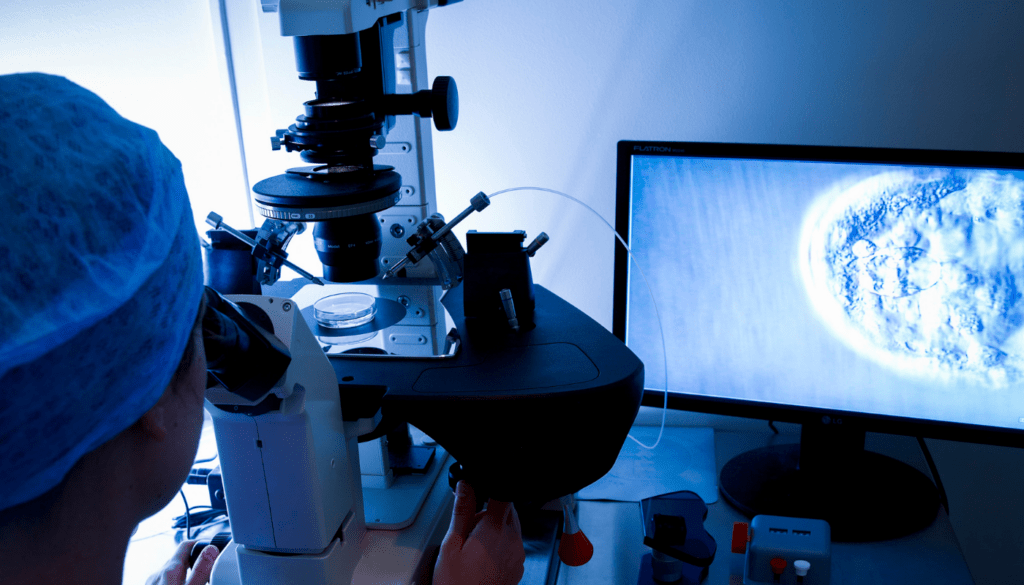
IMSI (Intracytoplasmic Morphologically Selected Sperm Injection)
In the microinjection process, which is widely used during IVF, sperm cells are magnified up to 400 times. At this level of magnification, the general morphological features of the sperm can be examined. However, some other characteristics cannot be detected.
Avec la méthode appelée IMSI, les spermatozoïdes peuvent être grossis jusqu’à 8 000 fois Thanks to high-magnification lenses and special optical systems, defective structures inside the sperm head can be distinguished. This allows the selection of normal or near-normal sperm cells.
According to studies conducted in 2005, the vacuoles found in the nucleus containing the sperm’s genetic material provide clues about damage to the DNA structure. Damage to sperm DNA can lead to issues such as fertilization failure, arrested embryo development, poor or slow embryo growth, and therefore negatively affect pregnancy chances. Outside of IVF, it is very difficult for sperm with significant DNA damage to naturally achieve a pregnancy.
In men, factors such as advanced age, smoking, air pollution, and exposure of the testicles to abnormally high temperatures have been shown to increase DNA damage in sperm. If sperm DNA damage is below 8%, the egg’s DNA can repair the damaged sperm DNA, allowing for the possibility of a healthy baby.
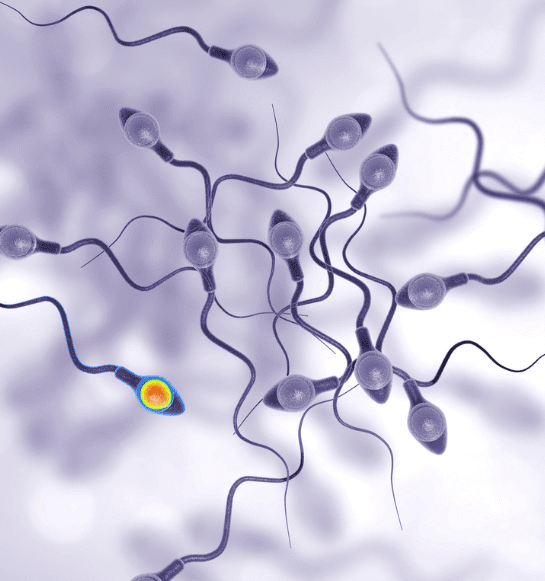
The IMSI method is used in cases of:
- In cases of severe male infertility
- Repeated in vitro fertilization (IVF) failures
- Oligo‑terato‑asthenozoospermic sperm samples
The treatment duration generally ranges from 21 to 23 days, although it may vary depending on each couple’s individual needs. For patients undergoing classic IVF, ICSI, or IMSI, the process typically lasts about three weeks (with fresh embryo transfer).
Several examinations are required. We ask that you send us your thyroid panel results, hormonal profile including AMH, FSH, prolactin, and LH levels, as well as your hysterosalpingography, which helps assess the uterine cavity and detect any potential issues.This stage is reviewed individually and explained by your coordinator. The doctor may also request additional blood tests and your antral follicle count, if necessary.For men, a sperm analysis (spermogram) is required, and further tests may be requested depending on those results to complete your file.
For a remote consultation, you can reach us via WhatsApp or Viber at: 📞 +90 541 132 22 19 You can also contact us by email at: 📧 info@oumniafertility.com